

In the ever-evolving world of industrial innovation, the demand for accuracy, reliability, and efficiency in motor testing has never been higher. Whether you’re developing cutting-edge electric vehicles, optimizing industrial machinery, or pushing the boundaries of aerospace engineering, the right testing equipment can make or break your success. Enter hysteresis technology—a game-changer in motor dynamometers, braking systems, and clutches. Let’ Customized dynamometer repair services into how these advanced solutions are revolutionizing industries worldwide.
---
### 🛠️ The Science Behind Hysteresis: A Silent Hero in Motor Testing
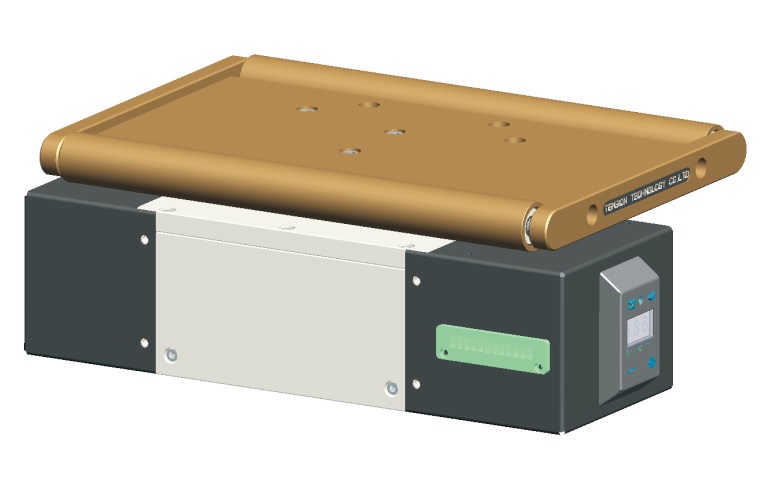
Hysteresis brakes, dynamometers, and clutches operate on a principle as fascinating as it is effective. Unlike Aviation industry innovation that rely on friction, hysteresis devices use magnetic fields to generate torque. This contactless mechanism eliminates wear and tear, ensuring unparalleled longevity and consistency. Imagine wire cable tensioner that doesn’t degrade over time or a dynamometer that delivers razor-sharp accuracy test after test—this is the promise of hysteresis technology.
For engineers, this means no more recalibrating equipment mid-project or worrying about data inconsistencies. For businesses, it translates to lower maintenance costs and higher ROI.
---
### ⚡ Hysteresis Dynamometers: Where Precision Meets Power
When it comes to testing motors—whether for EVs, drones, or industrial pumps—hysteresis dynamometers are the gold standard. These systems measure torque, speed, and power output with surgical precision, adapting seamlessly to dynamic load conditions.
Why choose hysteresis over eddy current or hydraulic alternatives?
1. **Zero Mechanical Contact**: No friction means no heat buildup or component degradation.
2. **Silent Operation**: Perfect for noise-sensitive environments like labs or production floors.
3. **Instant Response**: Adjust loads in milliseconds, capturing even the subtlest motor behaviors.
Take the automotive industry, for example. EV manufacturers rely on hysteresis dynamometers to simulate real-world driving conditions, from sudden accelerations to regenerative braking. The result? Batteries and motors that perform flawlessly under stress.
---
### 🔧 Hysteresis Brakes \u0026 Clutches: Control Redefined
Hysteresis brakes are the unsung heroes of applications requiring smooth, controllable torque. From winding systems in packaging machinery to tension control in printing presses, these brakes deliver unmatched adjustability without physical contact.
Meanwhile, hysteresis clutches offer a unique blend of precision and durability. In robotics, where repetitive motions demand reliability, these clutches ensure seamless torque transmission without the risk of slippage or overheating.
---
### 🏭 Motor Test Systems: Building Smarter Factories
Modern motor test systems integrate hysteresis technology with AI-driven analytics, creating a synergy that transforms raw data into actionable insights. Picture a fully automated testing rig that not only evaluates motor performance but also predicts failure points months in advance.
Key features of next-gen motor test equipment:
- **Modular Design**: Scale your setup for motors of any size or power rating.
- **Real-Time Analytics**: Monitor parameters like efficiency, vibration, and thermal behavior on-the-fly.
- **Sustainability**: Reduce energy consumption with regenerative power absorption.
A leading wind turbine manufacturer recently overhauled its QA process using hysteresis-based test systems, slashing testing time by 40% while improving defect detection rates.
---
### 🌍 Industries Transformed by Hysteresis Innovation
From renewable energy to consumer electronics, hysteresis technology is leaving its mark:
- **Aerospace**: Test jet engine components under extreme conditions without risking mechanical failure.
- **Medical Devices**: Ensure surgical robots operate with pinpoint accuracy, life after life.
- **E-Mobility**: Validate battery durability and motor efficiency for the next generation of EVs.
One drone startup credits hysteresis brakes for achieving FAA certification in record time. By simulating thousands of flight cycles, they identified a critical motor flaw early—saving millions in potential recalls.
---
### 🔮 The Future of Motor Testing: What Lies Ahead?
As industries embrace automation and IoT, motor test systems will evolve into intelligent, interconnected ecosystems. Imagine a global network of test rigs sharing data in real time, optimizing designs through machine learning, or leveraging hysteresis clutches for ultra-precise robotic assembly lines.
The next frontier? Miniaturization. Compact hysteresis devices are already enabling testing for micro-motors in wearables and medical implants, opening doors to innovations we’ve yet to imagine.
---
### 🚀 Why Partner with Hysteresis Experts?
Choosing the right testing partner is critical. Look for providers who:
- Offer end-to-end solutions, from consultation to after-sales support.
- Electrical appliance production over one-size-fits-all setups.
- Stay ahead of trends like AI integration and sustainability.
At [Your Company Name], we’ve spent decades refining hysteresis technology to meet tomorrow’s challenges. Our clients don’t just buy equipment—they invest in a partnership dedicated to their success.
---
### 💡 Final Thoughts: Elevate Your Testing Game
In a world where margins for error shrink by the day, hysteresis brakes, dynamometers, and motor test systems aren’t just tools—they’re competitive advantages. They empower engineers to push limits, businesses to cut costs, and industries to innovate fearlessly.
Ready to redefine what’s possible? The future of motor testing is here, and it’s magnetic.
---
[Your Company Name] – Where Innovation Meets Precision 🔋⚙️